


A Grounded and Intimate Return to Westeros
The series premiere of A Knight of the Seven Kingdoms, titled The Hedge Knight, marks a deliberate and intimate return to Westeros. Rather than opening with large scale spectacle or immediate political chaos, the episode focuses on a single wandering knight trying to define his place in a rigid and unforgiving world.
For audiences expecting dragons, massive battles, or throne room intrigue, the slower pacing may feel surprising. But Episode 1 makes its intentions clear from the start. This is a character driven story. It is smaller in scale but no less meaningful.
The premiere lays a careful foundation for the journey of Ser Duncan the Tall and his young companion Egg, establishing tone, moral themes, and the social structure that will shape the season.
Introducing Ser Duncan the Tall
Episode 1 begins with Dunk alone, recently knighted and recently orphaned by the death of his mentor Ser Arlan of Pennytree. He possesses little more than borrowed armor, uncertain credentials, and a firm belief in the ideals of knighthood.
This opening choice is significant. The show introduces Westeros not through kings or lords but through a hedge knight on the margins of society. It immediately sets a grounded perspective.
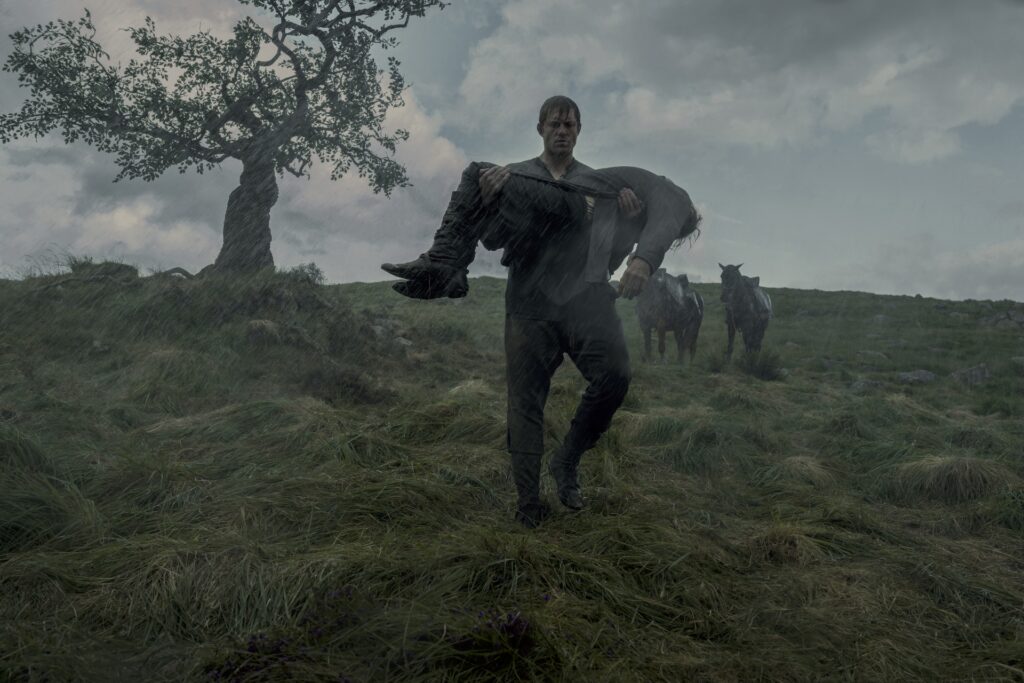
Dunk’s ambition to compete at the Ashford tourney drives the episode’s narrative momentum. Yet beneath that ambition lies insecurity. He must prove himself in a world that values lineage above merit.
The writing presents him as honorable but flawed. He is earnest and physically imposing, yet socially awkward and inexperienced. That vulnerability makes him compelling.
The Arrival of Egg
The introduction of Egg adds balance to the premiere. What initially appears to be a simple stable boy quickly reveals itself to be something more intriguing. Egg’s intelligence and sharp tongue contrast with Dunk’s straightforward nature. Their early exchanges provide humor, but also hint at deeper narrative importance.
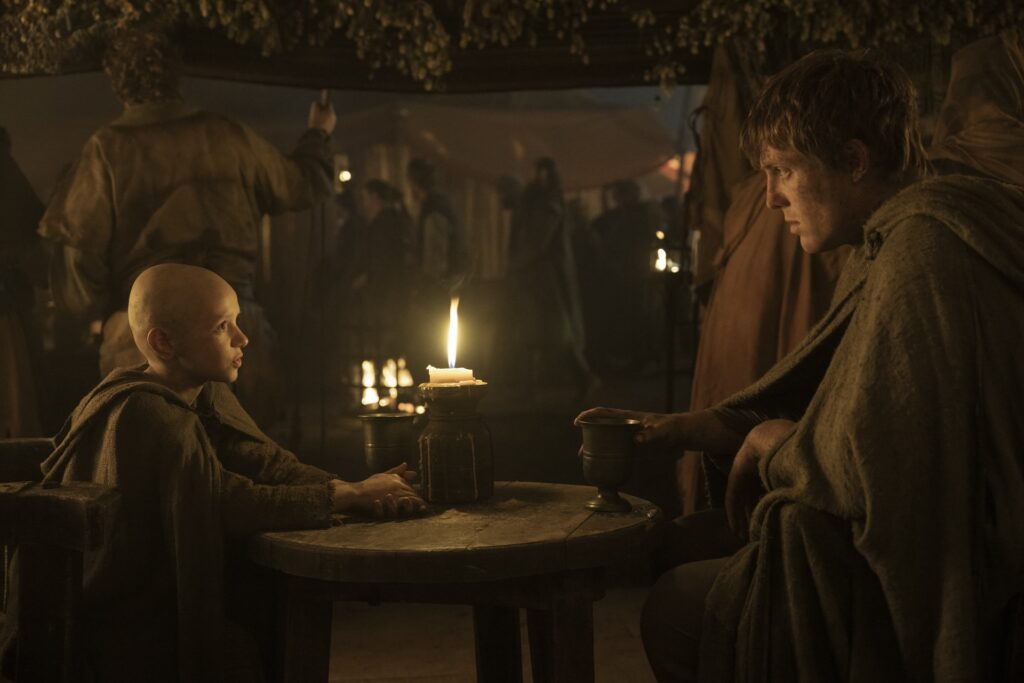
The chemistry between them is immediate. The dynamic feels natural rather than forced. Egg questions Dunk’s decisions while simultaneously supporting him. That tension establishes the emotional core of the series.
By the end of Episode 1, it is clear that this partnership will define the show more than any tournament bracket or political alliance.
Ashford and the Social Order of Westeros
The Ashford tourney setting allows the premiere to explore Westeros from a different angle than previous adaptations. Instead of throne rooms and dynastic crises, the focus shifts to chivalry, reputation, and class division.
Knighthood in this world is not simply about skill. It is about birth, wealth, and perception. Dunk’s lack of noble lineage creates an undercurrent of tension in nearly every interaction.
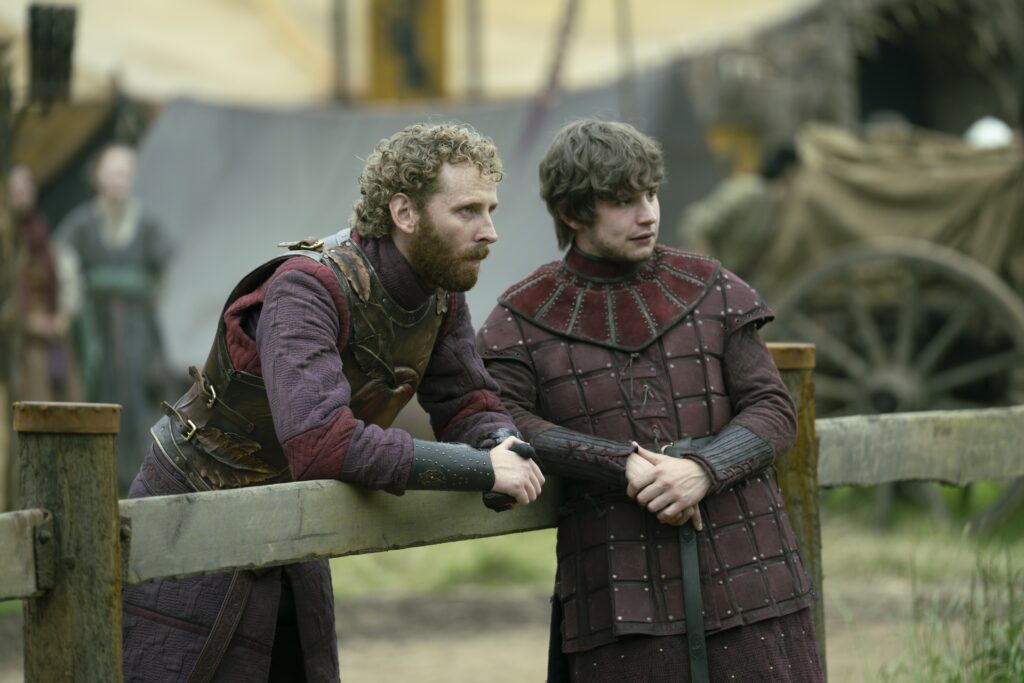
The premiere handles this hierarchy with subtlety. Conversations carry weight. Glances from highborn knights convey judgment. The atmosphere suggests that one mistake could permanently damage Dunk’s fragile standing.
This grounded social realism separates A Knight of the Seven Kingdoms from the epic scale of Game of Thrones. The conflicts are smaller but deeply personal.
Direction and Cinematography Establish Tone
Visually, Episode 1 avoids fantasy spectacle and instead embraces authenticity. The armor feels worn. The roads are dusty. The tournament grounds are functional rather than grand.
Natural lighting and muted color palettes create a lived in aesthetic. The camera frequently lingers on Dunk’s reactions, emphasizing his outsider perspective.
The direction reinforces the show’s intent. This is not a tale of legendary heroes reshaping the continent. It is a story about individuals navigating an unforgiving system.
The restrained visual style enhances immersion and credibility.
Performances Set the Emotional Foundation
The premiere succeeds largely because of its performances. Dunk’s portrayal captures physical strength paired with emotional uncertainty. His pauses in conversation and hesitant expressions reveal insecurity beneath confidence.
Egg’s performance brings sharp intelligence and subtle charm. Rather than leaning into exaggerated wit, the portrayal feels controlled and observant. Their dynamic is the heartbeat of the episode. Even in quiet moments, their exchanges feel meaningful.
Final Verdict
A Knight of the Seven Kingdoms Episode 1 establishes a confident and intimate foundation for the series. The Hedge Knight introduces compelling characters, grounded stakes, and a version of Westeros that feels personal rather than epic.
It may lack dramatic spectacle, but it compensates with sincerity and thematic focus. By centering the story on honor, ambition, and partnership, the premiere proves that this HBO adaptation is committed to character driven storytelling.


How to Watch A Knight of the Seven Kingdoms (2026): Streaming Guide
September 2, 2026 at 9:25 pm[…] Martin’s novella The Hedge Knight, the first in his Dunk and Egg series (you can read our episode 1 review for our first impressions). It follows Ser Duncan the Tall, known as “Dunk,” a […]
Read The Sworn Sword Before A Knight of the Seven Kingdoms Season 2
September 3, 2026 at 1:00 pm[…] the Tall and his squire Egg at the tournament of Ashford Meadow. If it’s been a while, our episode 1 review and the original trailer breakdown are worth revisiting before you move on. That story wrapped up […]